Event trends 2026: designing simpler, smarter business events
After several years of rapid change in the event industry, organizers are now entering a phase of consolidation and refinement. While technology and formats continue to evolve, the focus for 2026 is increasingly on simplicity, efficiency and participant experience.
Rather than reinventing everything, event professionals are applying lessons learned in recent years to design events that are easier to attend, easier to navigate and more valuable for everyone involved. Here are several international trends shaping business events in 2026.
In 2026, one of the clearest expectations from participants is simplicity. Events are designed to reduce friction at every stage, from preparation to on-site experience. Organizers are increasingly mindful of removing unnecessary steps and centralizing information to make participation as smooth as possible.
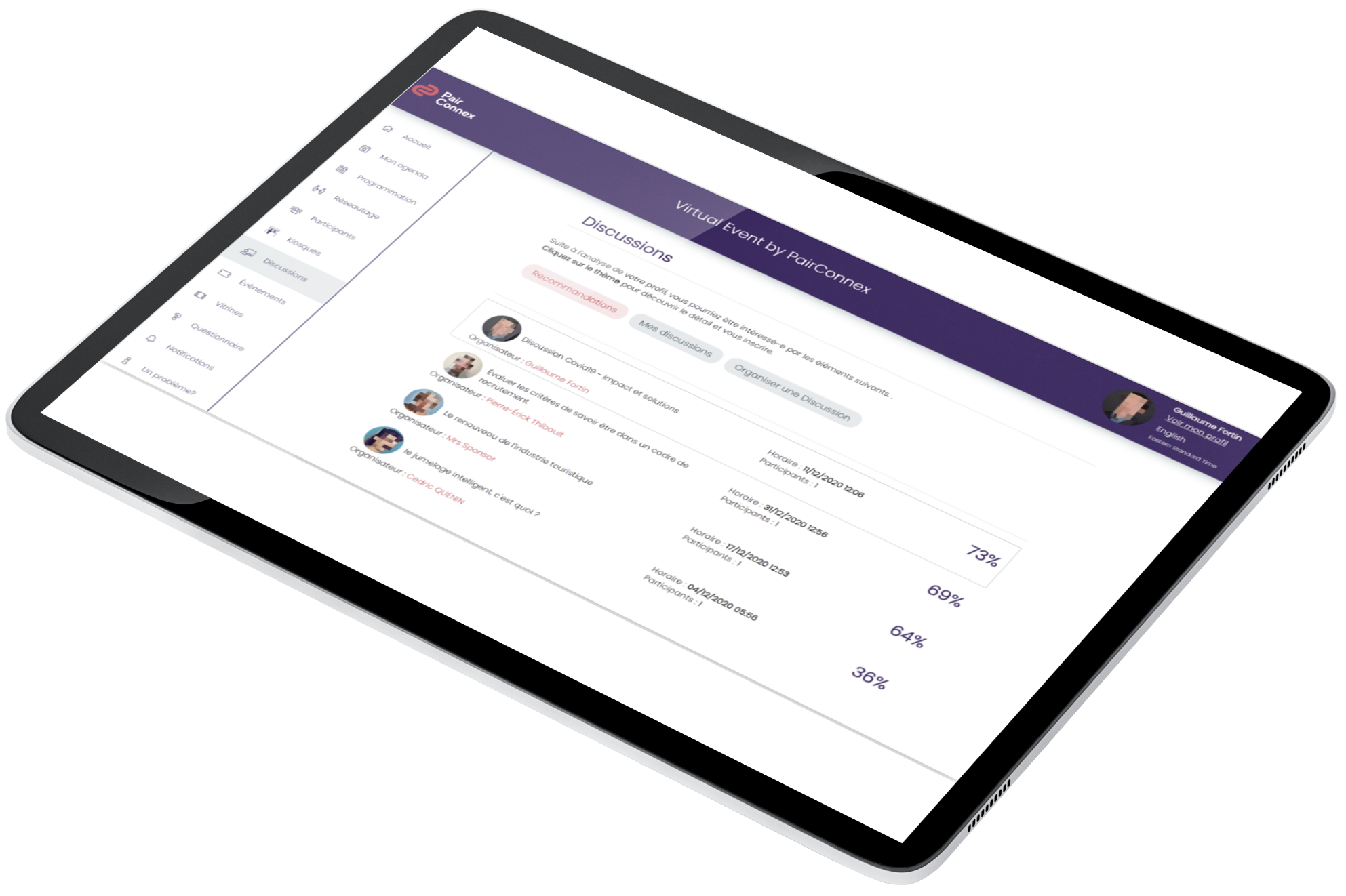
This trend reflects a broader shift toward more user-friendly event journeys, where participants spend less time searching for information and more time engaging with content and people. Many organizers are therefore turning to all-in-one event platforms that centralize communications, schedules and event information to offer a clearer and more intuitive experience.
The way participants network at events continues to evolve. In 2026, success is less about the number of contacts made and more about the relevance of those connections. Participants increasingly value meaningful conversations that align with their professional goals.
As a result, many events are moving away from purely spontaneous networking and toward more structured formats that encourage targeted encounters. Approaches such as intelligent matchmaking and organized networking sessions help participants make better use of their time and leave events with connections that are more likely to lead to long-term collaboration.
Sustainability is no longer seen as a differentiator, but as a baseline expectation. In 2026, participants, partners and organizations increasingly expect events to demonstrate concrete efforts to reduce environmental impact and support responsible practices.
This includes choices related to venues, materials, suppliers and travel, as well as transparency around sustainability initiatives. Rather than one-off actions, organizers are integrating sustainability into the overall design and planning of their events.
First impressions start well before the event begins. In 2026, smooth registration, efficient accreditation and fast access are no longer optional, they are expected. A complicated or slow arrival process can negatively impact the participant experience before the event even starts.
To meet these expectations, organizers are streamlining registration and access management, ensuring that participants can move quickly and confidently through each step. Integrated solutions for event registration, badges and access control help reduce on-site stress and contribute to a more welcoming experience
After years of dense programs and overlapping sessions, participants now appreciate events that help them prioritize. In 2026, clearer schedules and well-structured programming allow attendees to focus on what matters most to them.
Rather than offering as much content as possible, organizers aim to guide participants through the event with intuitive schedules and personalized agendas. Event scheduling and programming tools and mobile access make it easier for participants to plan their time and navigate the event without feeling overwhelmed
Data has been part of event planning for years, but in 2026 its role becomes more strategic. Organizers increasingly rely on insights from previous editions to guide decisions around programming, scheduling and participant engagement.
Rather than simply collecting data for reporting purposes, event teams use event statistics and reporting tools to continuously improve their events. Participation rates, session popularity and engagement metrics help shape future editions, making each event more aligned with participant expectations.
As digital tools become fully embedded in event planning, there is a renewed emphasis on human connection. In 2026, technology is expected to support interaction, not replace it.
Participants value events that create space for real conversations, shared experiences and a sense of belonging. This trend reflects a broader desire for authenticity and meaningful engagement, especially in professional settings where in-person interactions remain highly valued.
As business events continue to evolve, the trends for 2026 point toward a more mature and participant-focused industry. Simplifying participation, using data to improve future editions and designing clearer, more intentional experiences are now central to successful event planning.
By aligning event strategies with these trends and choosing event tools that support efficiency and engagement, organizers can create business events that are both easier to manage and more rewarding for participants.
Rather than reinventing everything, event professionals are applying lessons learned in recent years to design events that are easier to attend, easier to navigate and more valuable for everyone involved. Here are several international trends shaping business events in 2026.
1. Events focus on making participation easier
In 2026, one of the clearest expectations from participants is simplicity. Events are designed to reduce friction at every stage, from preparation to on-site experience. Organizers are increasingly mindful of removing unnecessary steps and centralizing information to make participation as smooth as possible.
This trend reflects a broader shift toward more user-friendly event journeys, where participants spend less time searching for information and more time engaging with content and people. Many organizers are therefore turning to all-in-one event platforms that centralize communications, schedules and event information to offer a clearer and more intuitive experience.
2. Networking quality matters more than quantity
The way participants network at events continues to evolve. In 2026, success is less about the number of contacts made and more about the relevance of those connections. Participants increasingly value meaningful conversations that align with their professional goals.
As a result, many events are moving away from purely spontaneous networking and toward more structured formats that encourage targeted encounters. Approaches such as intelligent matchmaking and organized networking sessions help participants make better use of their time and leave events with connections that are more likely to lead to long-term collaboration.
3. Sustainability remains a long-term expectation, not a trend
Sustainability is no longer seen as a differentiator, but as a baseline expectation. In 2026, participants, partners and organizations increasingly expect events to demonstrate concrete efforts to reduce environmental impact and support responsible practices.
This includes choices related to venues, materials, suppliers and travel, as well as transparency around sustainability initiatives. Rather than one-off actions, organizers are integrating sustainability into the overall design and planning of their events.
4. Registration and access need to be seamless
First impressions start well before the event begins. In 2026, smooth registration, efficient accreditation and fast access are no longer optional, they are expected. A complicated or slow arrival process can negatively impact the participant experience before the event even starts.
To meet these expectations, organizers are streamlining registration and access management, ensuring that participants can move quickly and confidently through each step. Integrated solutions for event registration, badges and access control help reduce on-site stress and contribute to a more welcoming experience
5. Participants want clarity, not packed schedules
After years of dense programs and overlapping sessions, participants now appreciate events that help them prioritize. In 2026, clearer schedules and well-structured programming allow attendees to focus on what matters most to them.
Rather than offering as much content as possible, organizers aim to guide participants through the event with intuitive schedules and personalized agendas. Event scheduling and programming tools and mobile access make it easier for participants to plan their time and navigate the event without feeling overwhelmed
6. Events are planned with data from past editions
Data has been part of event planning for years, but in 2026 its role becomes more strategic. Organizers increasingly rely on insights from previous editions to guide decisions around programming, scheduling and participant engagement.
Rather than simply collecting data for reporting purposes, event teams use event statistics and reporting tools to continuously improve their events. Participation rates, session popularity and engagement metrics help shape future editions, making each event more aligned with participant expectations.
7. Events prioritize human connection in a digital world
As digital tools become fully embedded in event planning, there is a renewed emphasis on human connection. In 2026, technology is expected to support interaction, not replace it.
Participants value events that create space for real conversations, shared experiences and a sense of belonging. This trend reflects a broader desire for authenticity and meaningful engagement, especially in professional settings where in-person interactions remain highly valued.
Conclusion
As business events continue to evolve, the trends for 2026 point toward a more mature and participant-focused industry. Simplifying participation, using data to improve future editions and designing clearer, more intentional experiences are now central to successful event planning.
By aligning event strategies with these trends and choosing event tools that support efficiency and engagement, organizers can create business events that are both easier to manage and more rewarding for participants.