The Best Events Are the Ones Equipped to Handle the Unexpected

No event unfolds exactly as planned.
Even with months of preparation, detailed timelines, and experienced teams, event organizers inevitably face unexpected situations. A speaker needs to be replaced. A participant registers at the last minute. An activity changes rooms. Information needs to be corrected quickly or communicated to a specific group of participants.
These situations are not signs of poor planning. They are simply part of the reality of event management.
What often distinguishes a well-managed event is not the perfection of the original plan, but the team's ability to react quickly while maintaining a seamless experience for participants.
Event planning naturally relies on preparation. Teams invest significant effort in schedules, logistics, registrations, communications, and the participant experience.
However, no plan can eliminate every variable.
Needs continue to evolve right up to the day of the event. New opportunities may arise, adjustments may become necessary, and certain situations require quick decisions.
The most successful organizers understand that flexibility is not a backup plan. It is an integral part of the plan.
When adjustments become necessary, teams need tools that allow them to act quickly without creating confusion.
Take participant registration as an example. When someone arrives a few minutes before the start of an activity with an incomplete registration, incorrect information, or a change that needs to be made, the team does not have the luxury of going through a lengthy administrative process.
Organizers must be able to add a participant, correct their information, modify their access, or reprint their badge in just a few clicks so they can quickly return to the experience they signed up for. This speed of execution improves both on-site customer service and the overall participant experience.
But unexpected situations are not limited to registrations.
A room change, the replacement of a speaker, a schedule modification, or the addition of an activity can impact dozens or even hundreds of participants. In a context where some organizations still rely on printed programs, PDF documents, or websites that require intervention from an external provider to make updates, communicating these changes quickly can become a real challenge.
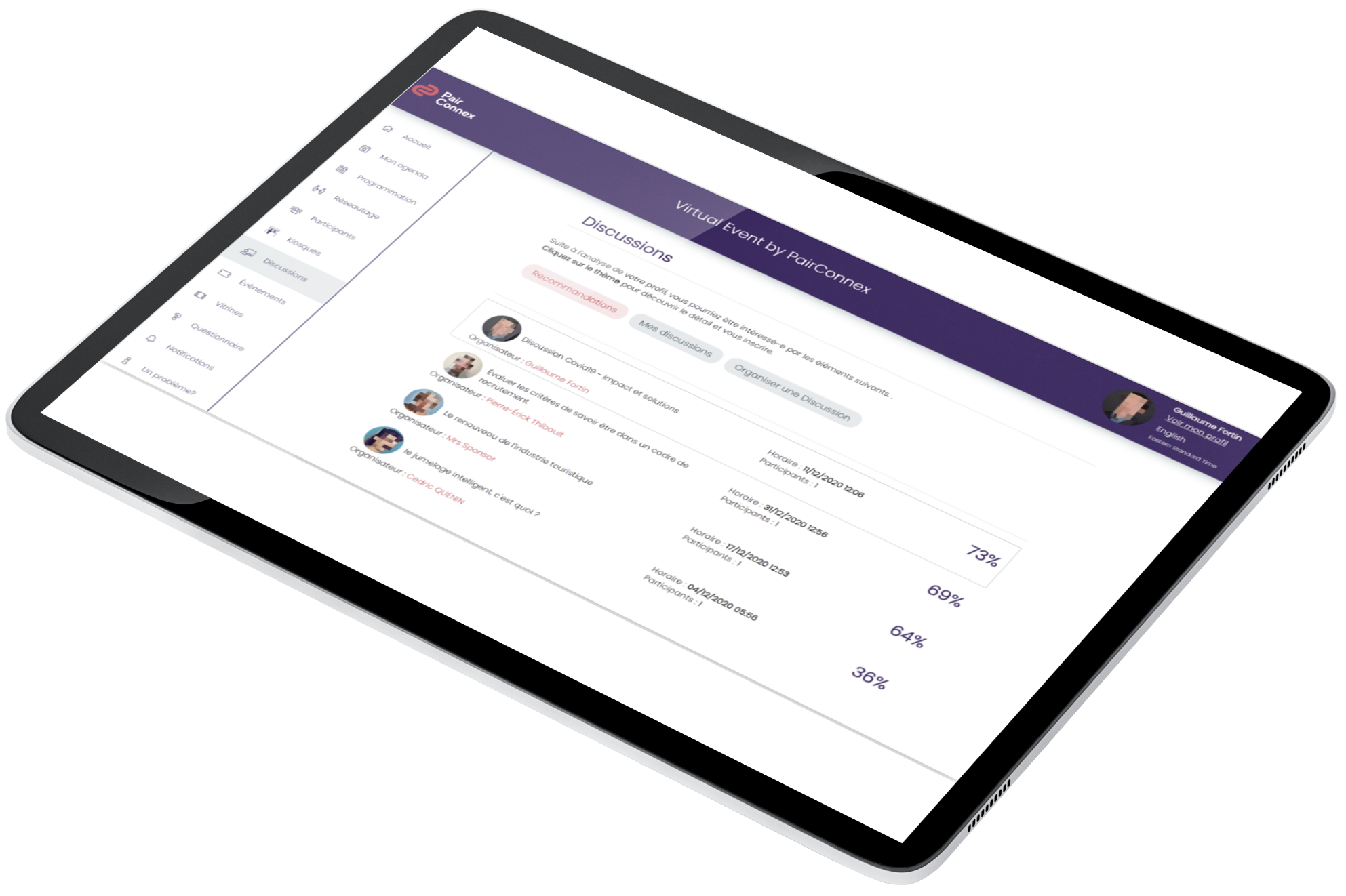
Modern event platforms instead allow organizers to update their program in real time and immediately publish changes to participants' schedules. Information related to rooms, speakers, activity descriptions, or schedules can be adjusted in moments without having to rebuild multiple tools or manage different versions of information.
When necessary, these changes can also be communicated quickly to the people concerned through mobile notifications or targeted emails. Rather than informing all participants, organizers can notify only those registered for an activity or affected by the change.
The goal is not to avoid change. The goal is to manage it effectively while maintaining a seamless experience for participants.
Not every adjustment should require intervention from the organizing team.
At many events, participants need to select activities, manage their schedules, or modify their selections according to their interests. When they can make these changes themselves, teams save valuable time and can focus on situations that truly require their attention.
The same principle applies to partners, sponsors, and exhibitors.
As an event approaches, it is not uncommon for exhibitors to want to update their information, refresh their visuals, or register additional representatives. When these requests must go through the organizing team, they often create a significant workload and numerous last-minute urgencies.
By allowing exhibitors and partners to manage their own visibility spaces and representatives, adjustments can be made more quickly while significantly reducing the operational workload of the organization.
Flexibility is not only about being able to react quickly when change occurs. It is also about giving the right people the tools they need to make the adjustments that concern them.
Participants rarely see all the work happening behind the scenes. What they notice is whether information is up to date, whether communications are clear, and whether the event feels well organized.
An event can go through numerous adjustments without participants feeling any negative impact, provided the organizing team has the right tools to respond effectively.
In many cases, operational flexibility directly contributes to a better participant experience.
When evaluating an event platform, it is easy to focus on the features that are visible to participants: online registration, ticketing, networking, mobile apps, or exhibitor management.
Yet a large part of the value reveals itself on the day of the event.
The ability to quickly modify a registration, adjust an activity, update information, or communicate a change can make the difference between a stressful situation and one that is resolved in a matter of minutes.
Events are constantly evolving. The tools that support them should be able to evolve just as quickly. Because in the event industry, the most useful platforms are not only the ones that simplify planning. They are also the ones that allow organizers to effectively manage the unexpected when the time comes.
Even with months of preparation, detailed timelines, and experienced teams, event organizers inevitably face unexpected situations. A speaker needs to be replaced. A participant registers at the last minute. An activity changes rooms. Information needs to be corrected quickly or communicated to a specific group of participants.
These situations are not signs of poor planning. They are simply part of the reality of event management.
What often distinguishes a well-managed event is not the perfection of the original plan, but the team's ability to react quickly while maintaining a seamless experience for participants.
Flexibility Is Part of Event Success
Event planning naturally relies on preparation. Teams invest significant effort in schedules, logistics, registrations, communications, and the participant experience.
However, no plan can eliminate every variable.
Needs continue to evolve right up to the day of the event. New opportunities may arise, adjustments may become necessary, and certain situations require quick decisions.
The most successful organizers understand that flexibility is not a backup plan. It is an integral part of the plan.
The Right Tools Make Adaptation Easier
When adjustments become necessary, teams need tools that allow them to act quickly without creating confusion.
Take participant registration as an example. When someone arrives a few minutes before the start of an activity with an incomplete registration, incorrect information, or a change that needs to be made, the team does not have the luxury of going through a lengthy administrative process.
Organizers must be able to add a participant, correct their information, modify their access, or reprint their badge in just a few clicks so they can quickly return to the experience they signed up for. This speed of execution improves both on-site customer service and the overall participant experience.
But unexpected situations are not limited to registrations.
A room change, the replacement of a speaker, a schedule modification, or the addition of an activity can impact dozens or even hundreds of participants. In a context where some organizations still rely on printed programs, PDF documents, or websites that require intervention from an external provider to make updates, communicating these changes quickly can become a real challenge.
Modern event platforms instead allow organizers to update their program in real time and immediately publish changes to participants' schedules. Information related to rooms, speakers, activity descriptions, or schedules can be adjusted in moments without having to rebuild multiple tools or manage different versions of information.
When necessary, these changes can also be communicated quickly to the people concerned through mobile notifications or targeted emails. Rather than informing all participants, organizers can notify only those registered for an activity or affected by the change.
The goal is not to avoid change. The goal is to manage it effectively while maintaining a seamless experience for participants.
Sometimes the Best Intervention Is the One You Don't Have to Make
Not every adjustment should require intervention from the organizing team.
At many events, participants need to select activities, manage their schedules, or modify their selections according to their interests. When they can make these changes themselves, teams save valuable time and can focus on situations that truly require their attention.
The same principle applies to partners, sponsors, and exhibitors.
As an event approaches, it is not uncommon for exhibitors to want to update their information, refresh their visuals, or register additional representatives. When these requests must go through the organizing team, they often create a significant workload and numerous last-minute urgencies.
By allowing exhibitors and partners to manage their own visibility spaces and representatives, adjustments can be made more quickly while significantly reducing the operational workload of the organization.
Flexibility is not only about being able to react quickly when change occurs. It is also about giving the right people the tools they need to make the adjustments that concern them.
Participants Expect a Seamless Experience
Participants rarely see all the work happening behind the scenes. What they notice is whether information is up to date, whether communications are clear, and whether the event feels well organized.
An event can go through numerous adjustments without participants feeling any negative impact, provided the organizing team has the right tools to respond effectively.
In many cases, operational flexibility directly contributes to a better participant experience.
Events Evolve. Your Tools Should Too.
When evaluating an event platform, it is easy to focus on the features that are visible to participants: online registration, ticketing, networking, mobile apps, or exhibitor management.
Yet a large part of the value reveals itself on the day of the event.
The ability to quickly modify a registration, adjust an activity, update information, or communicate a change can make the difference between a stressful situation and one that is resolved in a matter of minutes.
Events are constantly evolving. The tools that support them should be able to evolve just as quickly. Because in the event industry, the most useful platforms are not only the ones that simplify planning. They are also the ones that allow organizers to effectively manage the unexpected when the time comes.